Table of Contents
| Introduction |
| Introduction – What Is a Tropic Career in Music Production?
|
| Why Music Production Is One of the Hottest Careers Today |
| Skills Required to Build a Successful Career in Music Production |
| How Tropic Music Production Works |
| What You Learn in a Professional Music Production Course |
| Career Opportunities in Tropic Music Production |
| Industries That Hire Music Producers |
| Earning Potential & Freelance Opportunities |
| Benefits of Learning Music Production at RSFI Institute |
| Common Mistakes Beginners Make |
| FAQs – Frequently Asked Questions |
| Conclusion |
Introduction
Career in Music Production” refers to building a professional career in today’s modern music ecosystem, where digital tools, creative sound design, and global distribution allow anyone to become a recognized music producer. Music production has become one of the most accessible and rewarding creative careers. With the right knowledge and training — especially from an institute like RSFI Institute — you can start producing your own tracks, composing for artists, or even earning from streaming platforms.
Why Music Production Is One of the Hottest Careers Today
Music is everywhere — films, web series, gaming, short videos, reels, YouTube, podcasts, advertising, OTT platforms, live shows, and more.
Because of this explosion in digital media, music producers are needed more than ever.
Some reasons for its popularity include:
- Home studios are now affordable
- Millions of artists release music weekly
- Independent music is booming
- Streaming platforms pay well
- Global collaborations are easier
- Skill-based profession with high growth
Music production offers both creative satisfaction and strong income potential.
Skills Required to Build a Successful Career in Music Production
A strong tropic career in music production requires mastering skills such as:
- Understanding music theory (basic to advanced)
- DAW operation (FL Studio, Ableton Live, Logic Pro, Pro Tools)
- Creative beat-making
- Sound design & sampling
- Vocal recording
- Mixing & mastering
- Listening skills & creativity
- Knowledge of the music business
These skills help you create professional-quality tracks that attract clients and listeners.
How Tropic Music Production Works
Tropic music production is a mix of creativity, technology, and storytelling. Here's how a typical production workflow looks:
- Idea & Concept Creation
- Beat-Making or Track Composition
- Programming Drums, Bass, Synths, Vocals
- Recording Vocals or Instruments
- Editing & Arrangement
- Mixing the Final Track
- Mastering for Distribution
- Publishing on Platforms
Every step requires technical skill and artistic vision — both of which are trained inside a music production course.
What You Learn in a Professional Music Production Course
A structured course prepares you for the real world. At RSFI Institute, the curriculum includes:
- DAW Training
- Beat-Making & Composition
- Sound Design & Sampling
- Studio Recording
- Mixing & Mastering
- Music Business
- Social media promotion
Distribution on Spotify & Apple Music Client management
Career Opportunities in Tropic Music Production
After completing professional training, you can work as:
- Music Producer
- Beat Maker
- Sound Designer
- Mixing Engineer
- Mastering Engineer
- Music Composer
- Studio Engineer
- Podcast
- Background Score Artist
- DJ / Live Performer
- Freelance Producer
Independent artists can also: Release their own music
Sell beats online
Collaborate with creators
Earn through streams
Industries That Hire Music Producers
A tropic music production career opens doors across:
- Film industry
- OTT platforms
- Advertising agencies
- Gaming companies
- YouTube channels
- Record labels
- Radio stations
- Live event companies
- Post-production studios
Every industry that uses sound NEEDS producers.
Benefits of Learning at RSFI Institute
RSFI Institute provides:
- Industry-level DAW training
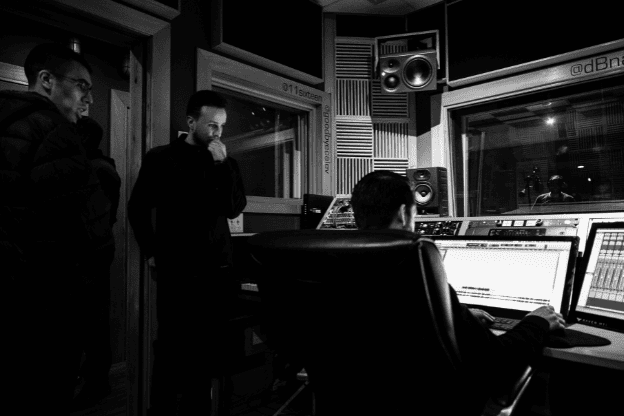
- Real studio environment
- Professional mentorship
- Hands-on projects
- Portfolio development
- Internship support
- Freelancing guidance
- Career counseling
- Job placement assistance
RSFI ensures you understand not just music—but the entire industry ecosystem.
Step-by-Step Music Production Process
A professional music production workflow includes:
- Concept & Inspiration
- Beat Creation
- Melody & Harmony
- Arrangement
- Recording
- Editing
- Mixing
- Mastering
- Pitch correction, timing, noise removal.
- Vocals, instruments, sound layers.
Each step requires expertise — and is taught in detail at RSFI Institute.
Common Mistakes Beginners Make
Avoid:
- Using too many plugins
- Industry-level camera and lighting gearIgnoring mixing basics
- Not practicing regularly
- Skipping sound design
- Copying YouTube tutorials
- Not finishing songs
- Not building a portfolio
A structured course solves these issues.
How to Start Your Career as a Music Producer
Follow this roadmap:
- Join a professional course
- Learn a DAW thoroughly
- Practice daily
- Create your first 10 tracks
- Build a portfolio
- Upload songs to Spotify/YouTube
- Start freelancing
- Work with singers locally
- Improve your mixing & mastering
- Promote your work on social media
Frequently Asked Questions
- Q1. Can anyone become a music producer?
- Yes, with proper training and practice.
- Q2. Do I need expensive equipment?
- No. You can start with a basic laptop and headphones.
- Q3. Is music production a secure career?
- Yes. Digital media has increased demand drastically.
- Q4. How long is the course at RSFI Institute?
- Usually 3–6 months depending on the program.
- Q5. Can I earn without working in a studio?
- Absolutely. Freelancing and online earning are huge today.
- Q6. Does RSFI provide certification?
- Yes, you get a recognized professional certificate.
- Q7. Can I produce for Bollywood?
- Yes. Many Bollywood producers started as freelancers.
- Q8. What is the best DAW for beginners?
- FL Studio and Ableton Live are easiest to start with.
Conclusion
A tropic career in music production is one of the most exciting, creative, and financially rewarding paths in today’s digital world. With global opportunities, multiple income sources, and growing demand across industries, this career offers stability as well as creativity.
By learning from RSFI Institute, you get professional training, studio exposure, and the confidence to work as a full-time music producer, freelancer, or independent artist.
This is the perfect time to start your journey — the world is listening, and your music could be the next big sound.